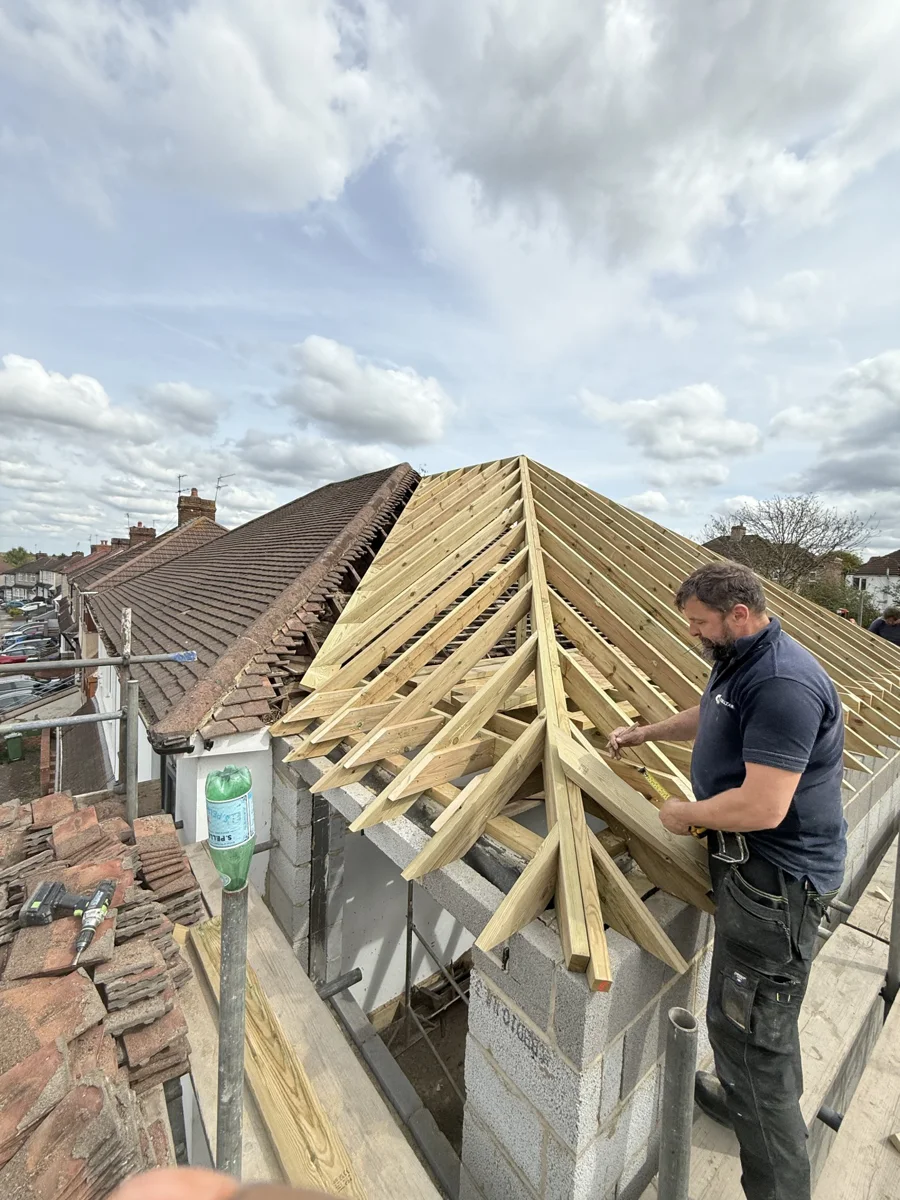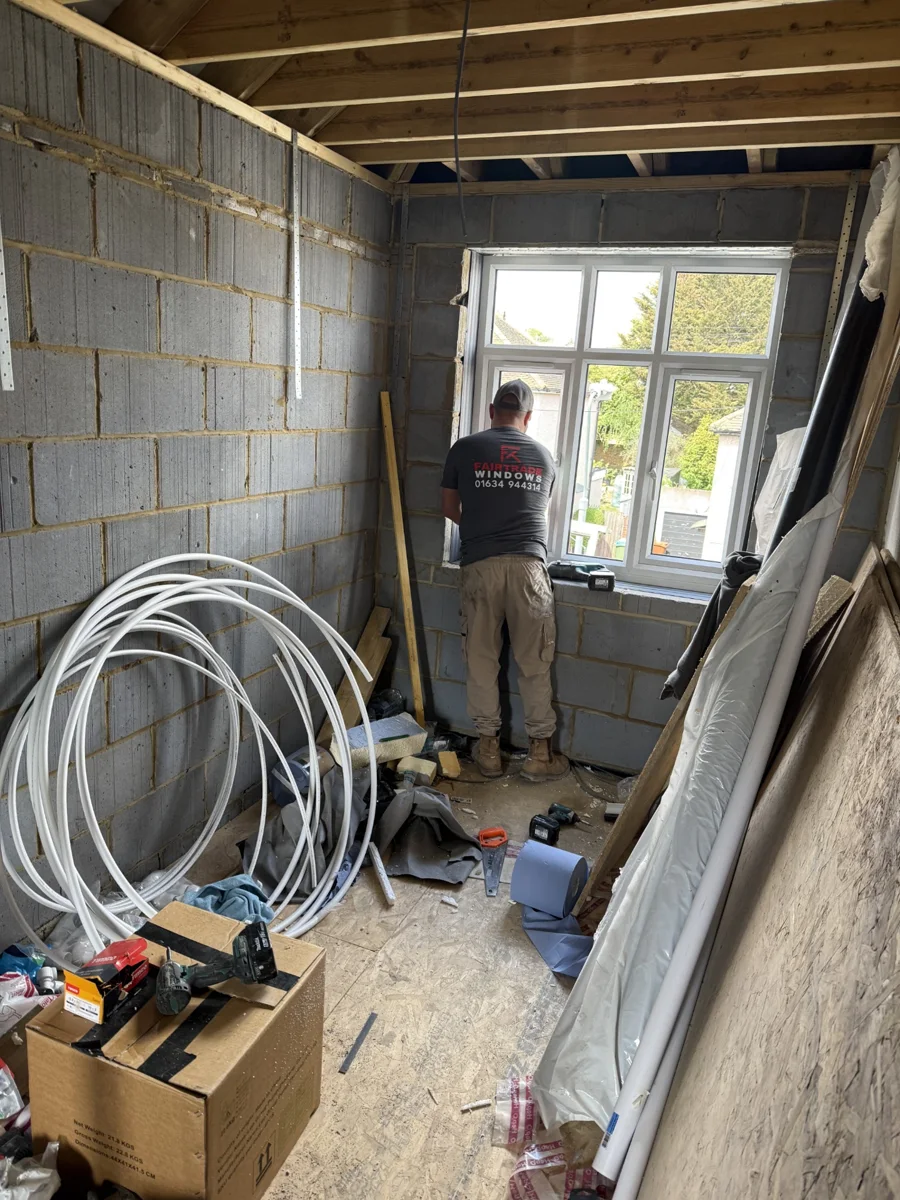
It may be possible to live at home during a renovation, but the decision depends on the scope and the arrangements for keeping occupied areas safe and usable. Having a spare bedroom does not by itself make a building site suitable for normal family life.
Ask your contractor to explain the proposed living arrangements stage by stage. The useful question is not simply “Can we stay?” It is “Which rooms and services will we have, and how will we reach them safely throughout the work?”
Identify the essentials your household needs
Start with sleeping space, a usable toilet, washing facilities, somewhere to prepare food and a safe route in and out. Add heating, hot water, essential medical needs and the practical requirements of children, pets or anyone with reduced mobility.
Write these down as requirements for the programme. If a stage cannot maintain them, identify a temporary alternative or a period away from the property.
Be realistic about work and rest. A room separated from construction may still be affected by noise, vibration and frequent activity. If you need reliable quiet for calls or sleep after a night shift, arrange an alternative location before the noisy work begins.
Plan separation between home and site
The contractor should assess how occupied areas are separated from the works, including access, security and emergency arrangements. A loose dust sheet is not a complete plan for keeping people away from construction hazards.
Discuss how workers and materials enter, where equipment is stored and which routes are restricted. Everyone in the household needs to understand those boundaries, and the arrangements should be reviewed as the site changes.
Children and pets need particular consideration because a familiar home may suddenly contain unfamiliar openings, stacked materials and moving deliveries. Do not rely on the team noticing every movement through the property. Agree practical controls that suit the actual layout.
Make temporary facilities genuinely usable
A temporary kitchen needs more thought than placing a kettle in the front room. Consider appropriate electrical provision, food storage, washing up, waste and a suitable preparation surface. Have temporary connections and appliance arrangements assessed by the relevant professionals.
Keep the setup proportionate to the duration. A basic arrangement may be manageable for a brief interruption but frustrating over an extended period. Think about the meals you can realistically prepare and the extra spending likely if you cannot cook normally.
If a bathroom will be out of use, confirm the alternative before work begins. A second bathroom is helpful only if it remains accessible and its water and drainage services are available during the relevant stage.
Know when services will be interrupted
Ask for advance notice of planned interruptions to electricity, water, heating and hot water. Understand the likely duration and whether an interruption could extend if concealed conditions differ from expectations.
Keep a clear contact route for urgent problems outside normal site discussions. Tell the project lead about equipment or household needs that depend on a service remaining available.
Do not ask the team to work around unsafe temporary arrangements simply to preserve convenience. If a particular operation requires the property to be unoccupied, make the necessary plan rather than trying to negotiate away the underlying risk.
Choose the most disruptive stages for time away
Staying for most of a project and leaving for selected stages can be more practical than an all-or-nothing decision. Ask which operations create the greatest disruption and whether they can be grouped sensibly.
Structural openings, extensive service changes or work that affects every route through the house may be candidates for a planned absence. The contractor should determine what is safe and feasible for the proposed sequence.
Keep accommodation flexible where possible. A reservation ending exactly on an optimistic milestone can create pressure to return before the home is ready. Include a contingency for a longer stay in your household budget.
Protect the things you want to keep
Remove valuable, delicate and rarely used belongings from affected areas before work begins. Packing them properly is usually more effective than repeatedly moving them as each room becomes involved.
Agree which existing finishes and furniture will be protected by the contractor and what you are expected to clear. Record the condition of retained areas where appropriate. Make sure storage locations do not block access or interfere with the working sequence.
Keep essential documents, medication, chargers and a small set of everyday items accessible. Treat the temporary living area as a deliberate setup rather than the space left over once the building team arrives.
Review insurance and communication
Tell your home insurer about the proposed works and any change in occupancy before they begin. Ask what information and cover are required for your circumstances. Do not assume the contractor's insurance replaces every aspect of your own arrangements.
Agree a regular update with the project lead. Use it to review the coming week's access changes, service interruptions and decisions. This is more manageable than responding to each issue as it appears at the door.
Keep neighbour communication in mind too. Knowing who to contact about a delivery or access concern helps avoid small practical problems becoming personal disagreements.
Decide against the actual programme
Once the programme is developed, review the living plan again. If it depends on too many fragile assumptions, temporary accommodation may be the more workable option even if staying initially seemed cheaper.
The right arrangement is one your household can sustain and the contractor can deliver safely. Discuss it before the price and sequence are finalised, because occupancy can affect both.
Read how Hutch plans a project, then tell us about your household and proposed works so living arrangements form part of the early discussion.
Every home is different. Tell us what you want to change and we’ll help you work out where to start.
Tell us about your project